Analyse des Stromverbrauchs beim Schmelzen von Stahlschrott im Elektrolichtbogenofen
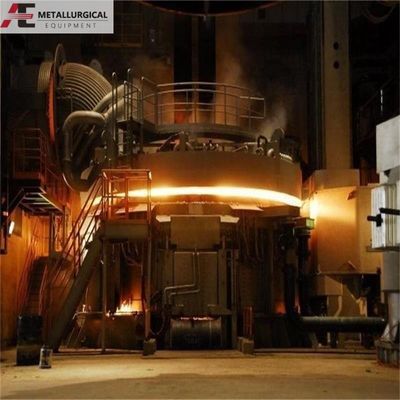
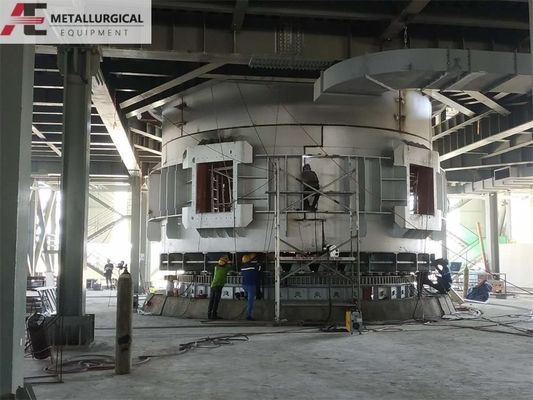
Eigenschaften: Ein Elektrolichtbogenofen (ELO) ist ein Hochtemperatur-Metallurgieofen, der die Wärme nutzt, die durch einen Lichtbogen zwischen Elektroden und dem Chargenmaterial erzeugt wird, um Erze und Metalle zu schmelzen.
Die Energie in einem Lichtbogen ist hochkonzentriert, wobei die Temperaturen in der Lichtbogenzone 3000°C übersteigen. Für das Metallschmelzen bieten ELOs eine größere Flexibilität als andere Stahlöfen und ermöglichen die effektive Entfernung von Verunreinigungen wie Schwefel und Phosphor. Die Ofentemperatur ist leicht zu kontrollieren, und die Ausrüstung hat eine relativ geringe Stellfläche, wodurch ELOs für die Herstellung von hochwertigen legierten und Kohlenstoffstählen geeignet sind.
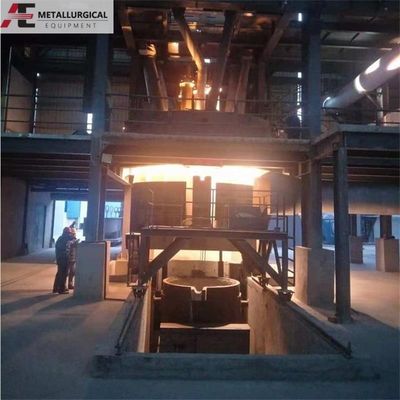
Basierend auf der Lichtbogenkonfiguration können Elektrolichtbogenöfen in Dreiphasen-Wechselstromöfen, Gleichstromöfen (verbrauchende oder nicht verbrauchende Elektrode), Einphasenöfen und Unterpulver- / Widerstandsöfen eingeteilt werden.
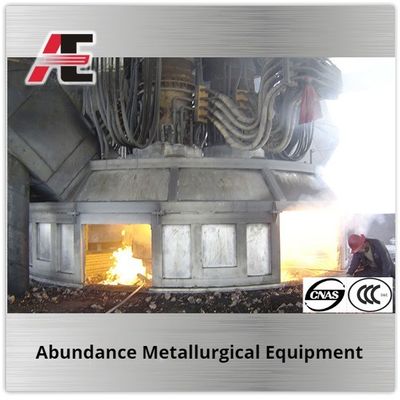
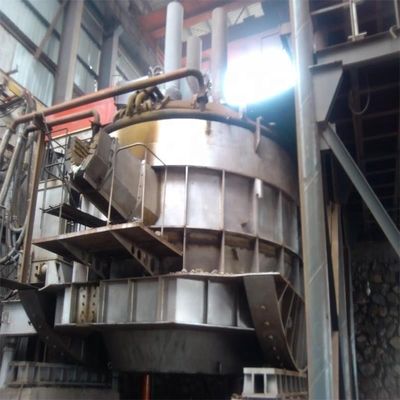
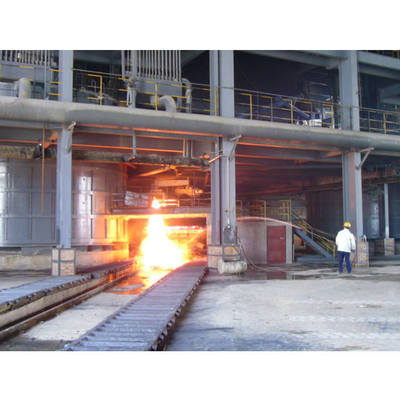
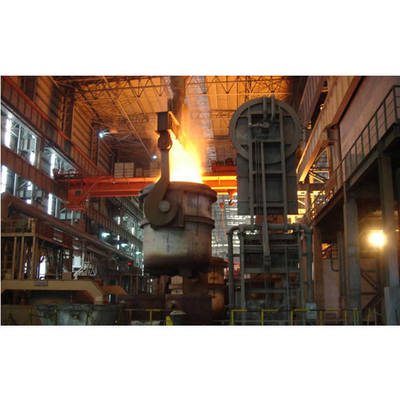
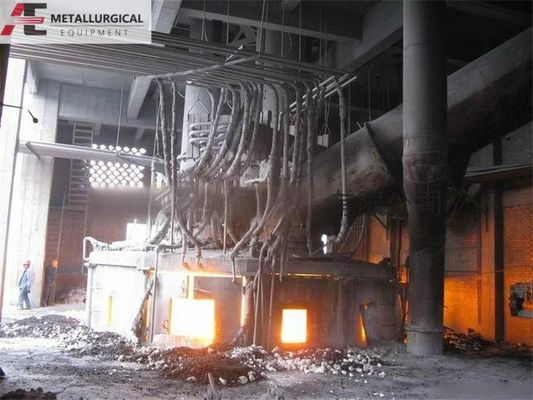
Der Ofenkörper eines typischen Stahlherstellungs-ELO besteht aus einem abnehmbaren Dach, einer Ofenhülle mit einer Schlackentür, einem Abstichauslauf (oder einem Bodenauslasssystem) und einem feuerfest ausgekleideten Herd. Der Ofenboden und die Wände sind entweder mit basischen (z. B. auf Magnesia basierenden) oder sauren (z. B. auf Siliziumdioxid basierenden) Feuerfestmaterialien ausgekleidet.
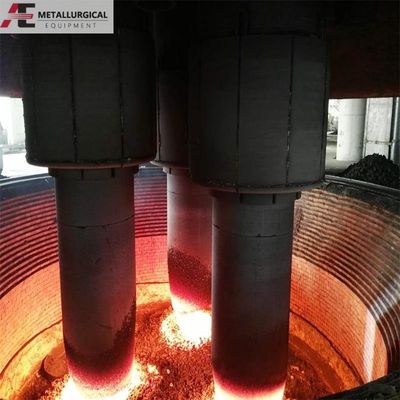
Elektrolichtbogen-Stahlöfen werden nach ihrer spezifischen Transformatorleistung (kVA pro Tonne Ofenkapazität) in Standardleistung, Hochleistung und Ultrahochleistung (UHP) eingeteilt. Der Prozess beinhaltet die Zuführung von elektrischer Energie durch Graphitelektroden in den Ofen. Die zwischen den Elektrodenenden und der Schrottcharge gebildeten Lichtbögen dienen als primäre Wärmequelle.
Da Elektrizität die Wärmequelle ist und die Ofenatmosphäre kontrolliert werden kann, sind ELOs besonders vorteilhaft für das Schmelzen von Stahlsorten, die leicht oxidierbare Elemente enthalten. Kurz nach ihrer Erfindung wurden ELOs für die Herstellung von hochlegierten Werkzeugstählen eingesetzt und haben sich seitdem zu größeren, effizienteren Einheiten entwickelt.
Vergleichende Marktperspektive und Entwicklung:
Eine langjährige Branchenmeinung besagte, dass ELOs, obwohl sie höhere Anfangsinvestitionen erforderten, Stahl von überlegener Qualität mit präziser Zusammensetzungskontrolle produzierten. Im Gegensatz dazu wurden Induktionsöfen (wie kernlose Mittelfrequenzöfen) als kostengünstigere Alternativen mit begrenzter Raffinierungsfähigkeit (nicht in der Lage, Schwefel und Phosphor effektiv zu entfernen) angesehen, was zu ihrer Assoziation mit minderwertigen Stahlprodukten führte.
Diese Perspektive entwickelt sich jedoch weiter. Angetrieben von Faktoren wie Energieeinsparung, Emissionsreduzierung und Verbesserungen der Gesundheit der Arbeitnehmer und der Umweltbedingungen verschieben sich die Marktdynamiken. In bestimmten Anwendungen und Regionen ersetzen Induktionsöfen zunehmend kleinere, weniger effiziente Elektrolichtbogenöfen.
Die Qualitätslücke zwischen den beiden Technologien hat sich erheblich verringert. Mit der Auswahl geeigneter Schlackenbildner und Raffinierungspraktiken in Induktionsöfen kann die Qualität des geschmolzenen Stahls aus modernen Induktionsöfen an die von ELOs heranreichen, wenn auch mit einer strengeren Anforderung an eine hochwertige, saubere Schrottcharge. Wenn Schrott von schlechter Qualität verwendet wird, ist die Stahlqualität aus einem Induktionsofen der aus einem basischen (schlackenausgekleideten) ELO unterlegen. Umgekehrt kann die Qualität aus einem sauren (siliziumdioxidausgekleideten) ELO die eines gut betriebenen Induktionsofens nicht übertreffen.
Wir sind ein professioneller Elektroofenhersteller. Für weitere Anfragen oder wenn Sie Unterpulveröfen, Elektrolichtbogenöfen, Pfannenöfen oder andere Schmelzausrüstungen benötigen, zögern Sie bitte nicht, uns unter zu kontaktieren.susan@aeaxa.com


 Ihre Nachricht muss zwischen 20 und 3.000 Zeichen enthalten!